

The price has passed through the originally set stop loss level.
In front of the trading screen, my heart started to beat faster, my hand was hanging on the mouse, but the mouse arrow could not click the close button.
I always feel in my heart: "Just wait a little longer, maybe it will rebound soon. It would be a pity to cut off the flesh now."
As a result, the market not only failed to rebound, but continued to accelerate unilaterally.
What was originally just a normal stop loss of a few hundred dollars gradually turned into a deep position of several thousand dollars, and finally even turned into a liquidation or forced liquidation by the platform.
When reviewing the trading, you may ask yourself in annoyance: "I clearly made a strict stop-loss plan before the market opened. Why can't I just cut the meat when I really lose money?"
The biggest problem with this kind of trading situation is that when we face mistakes, we instinctively choose to use "carry orders" to fight reality.
Why do we always want to "fight for a while" when facing losses?
Psychologically speaking, human beings are inherently resistant to "admitting failure" and "accepting losses".
Once the loss is stopped, the loss becomes a fait accompli, and the money in the account actually becomes less.
This feeling of pain will trigger the brain's defense mechanism.
In order to escape this pain, we would rather choose to believe in a small probability event with extremely low probability - "As long as I hold on to it, it will always bounce back."
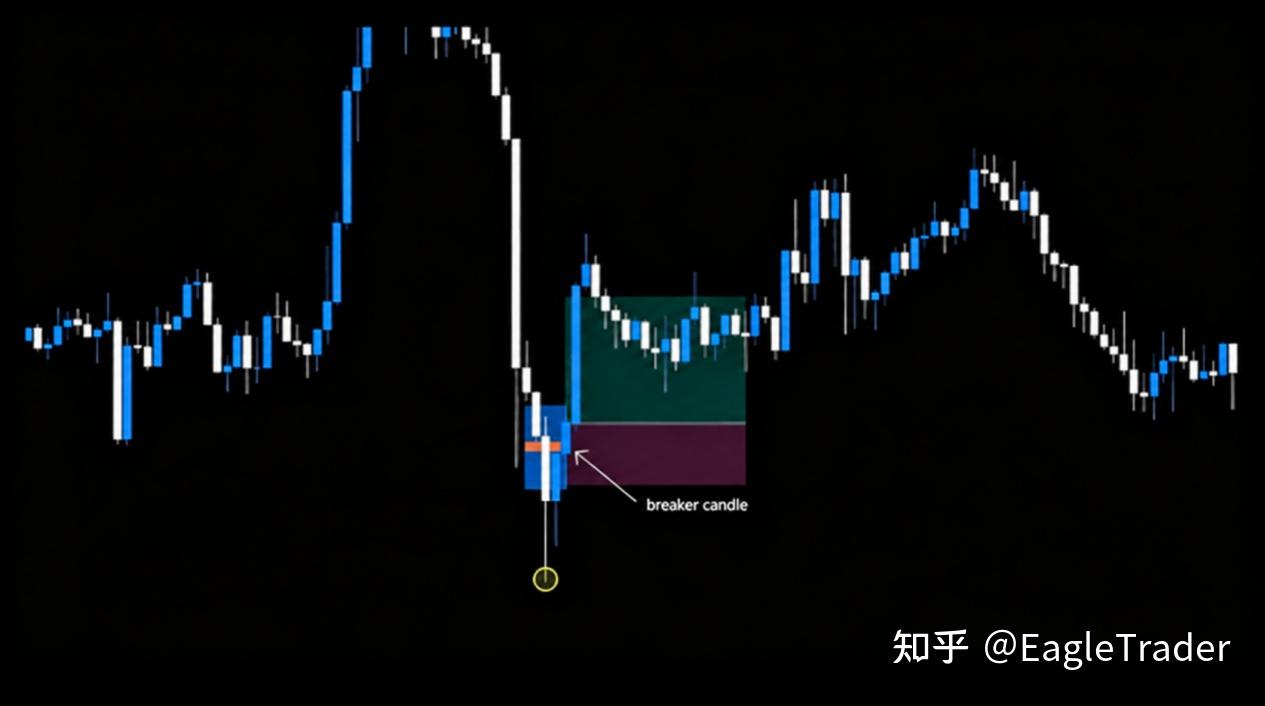
As a result, the nature of the transaction changed:
It was originally a planned trial and error: if you make a mistake, you are out and wait for the next opportunity.
Now it has become a gamble with the market: relying on luck and funds to see whether the market explodes first or my account reaches zero first.
In personal capital transactions, because the money is your own, this "lucky mentality" is often magnified infinitely.
I always feel that as long as I don't close the position, the loss will just be "book floating" and the money will not be really lost.
It is this extreme aversion to losses that has destroyed the accounts of countless traders.
Using personal funds to carry orders not only tortures your wallet, but also tortures your life
When each deep floating loss directly weighs on your personal savings, the chain reaction will be all-round.
You may be unable to sleep all night because of an order, and be in a daze the next day; or you may become irritable in daily life, and your mind may be filled with red and green numbers on the board.
I originally started trading in order to "find freedom", but ended up becoming a slave tightly kidnapped by the market.
The essence of carrying orders to death is the lack of an inviolable external physical boundary.
When emotions take over and luck takes over, it is often more difficult than climbing to the sky to "cut off positions" solely by the trader's own restraint.
This is one of the reasons why more and more traders are paying attention to prop trading.
Proprietary trading: replace emotions with rules and set boundaries for risks
Proprietary trading does not make market conditions easier, nor does it turn traders into emotionless robots in an instant.
What it provides is a brand new trading environment and constraint mechanism.
In the self-operated trading mode, traders do not need to let their personal savings directly bear every violent fluctuation in the simulated account.
When the direct connection with financial pressure weakens, people's anxiety when facing losses will also decrease, which gives you a better chance to calm down and examine:
Is this deal really still going according to plan?
Or am I just afraid of admitting my mistakes?
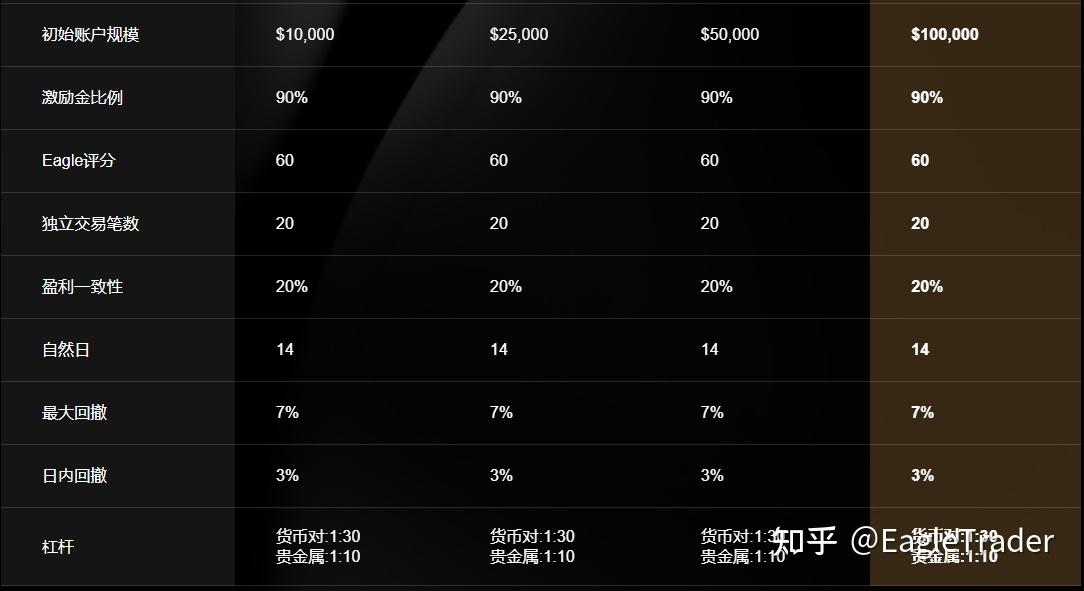
More importantly, mature self-operated trading platforms usually have extremely strict risk rules and retracement red lines (such as maximum intraday retracement limits, total retracement red lines, etc.).
The purpose of these rules is not only to assess your performance, but also to add a "safety bar" to your trading emotions.
When you want to hold on to the order and magnify the risk, the platform's rigid rules will intervene earlier and more severely than your own restraint, forcing you to stop losses at the right time to prevent small mistakes from turning into irreparable disasters.
Different participation paths for proprietary trading
As a proprietary trading service provider, EagleTrader aims to provide traders with different participation paths:
Traditional assessment model: Pass the verification of risk control and profit targets in the simulated account, and enter the profit sharing stage after meeting the standards.
EagleTrader
Max (instant account): For traders who want to reduce the pre-assessment and enter the profit sharing practice earlier, there is no need to go through multiple rounds of target verification. The profit sharing stage can be started directly after obtaining an account.
No matter which path is chosen, EagleTrader does not allow traders to "play as they please".
The platform constantly observes and regulates trading performance through clear risk requirements, Eagle scores and profit sharing conditions.
When you face floating losses on the market, take chances, and hesitate to take orders, these rules will be like a mirror to remind you: here, you cannot survive by gambling, you must rely on discipline and rules.
Proprietary trading gives you not only an account to demonstrate your ability, but also a strong constraint to help you get rid of the bad habit of "carrying to death".
Loss is an inevitable cost in trading, as natural as breathing.
What really needs to be avoided is for an ordinary trial and error to turn into a "death problem" that crushes the entire account.
The value that proprietary trading can provide is to help you isolate part of your principal anxiety and use clear rules to force you to draw a clear risk boundary.
Loss can occur, but the next transaction should always start with a decisive stop loss and a new plan.
Contact
|
Leave a message online
|
Service hotline
852-53489575
 |

Incubate the world's top traders
Participate in 90% profit sharing