

In a previous interview with Max profit-sharing trader Zhao Hanxuan, we talked about a very important trading habit: trading according to a plan.
When to start observing, under what circumstances to enter the market, how to deal with unexpected fluctuations, and how much risk you can take on the day - many decisions should be thought through before actually trading.
This is especially important for EagleTrader Max traders.
Max does not need to go through multiple rounds of profit target assessments, and can enter the profit sharing stage after obtaining an account, which also means that from the first day, the trading rhythm, risk arrangement and execution plan need to be prepared in advance.

Before you start trading, get yourself into the zone
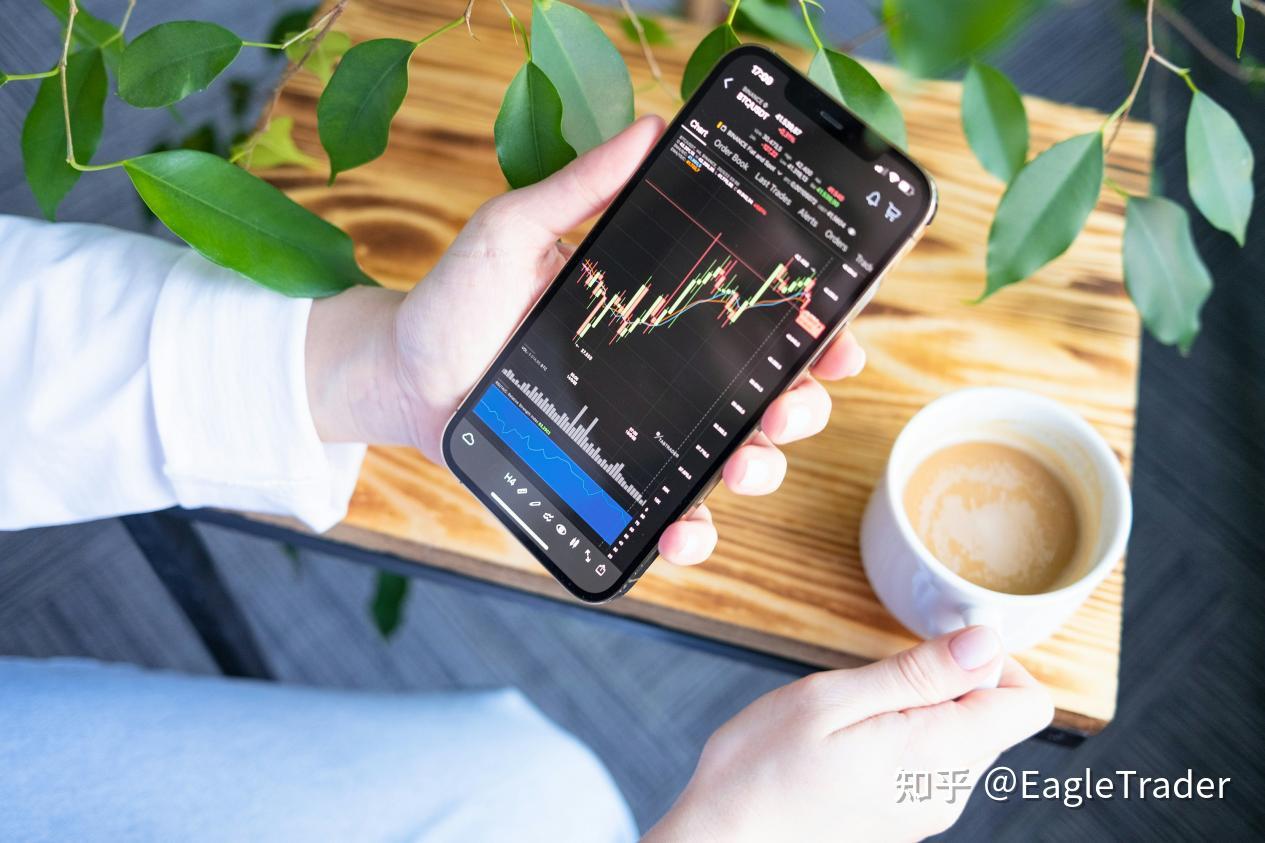
If you plan to start trading at 8 a.m., get up at 7:50, and then directly open the market, it will be difficult to ask yourself to enter a clear and focused judgment state immediately.
Giving yourself a little time to prepare is more important than rushing to seize the first opportunity that presents itself.
Get up, sort out your status, and then check to see if there are any important events in the market that day, so that your brain can really enter the working mode before starting.
Even if you miss one or two trading opportunities because of this, there is no need to pursue them immediately.
An opportunity will not disappear just because you miss it once, but a hasty decision may affect the entire trading day.
Therefore, a good start is not necessarily "how fast you make the first transaction today", but whether you are ready before the first transaction occurs.
Before starting today, read yesterday again
A new trading day does not mean that yesterday's operations have no value.
Why did you enter the market yesterday? After the loss occurred, were there any temporary changes to the position or exit rules? The earlier these issues are reviewed, the easier it will be to discover them in time the next time you encounter a similar situation.
Max traders can also combine Eagle scores and stage data to observe their performance.
Eagle scoring will provide feedback from dimensions such as professional skills, risk management, trading consistency and trading experience, so that some issues that can only be judged based on feelings have a clearer data reference.
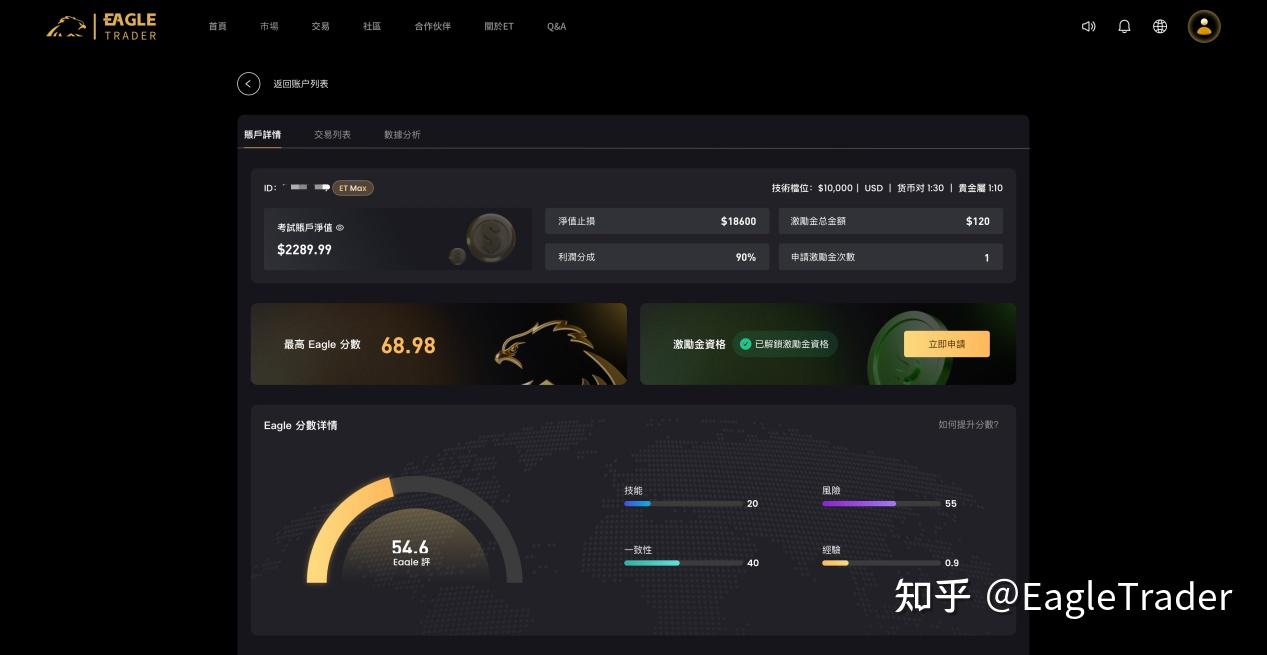
Reviewing is not to dwell on a certain profit or loss, but to confirm one thing: whether your trading methods have changed recently that you have not noticed.
Before market conditions come, think through the "worst case scenario" first
Many on-the-spot mistakes occur in unplanned moments.
Should I chase after the price breaks through the key level?
When do you retreat when encountering a reverse kombat after entering the field?
Do I have to stop today after losing several trades in a row?
For these problems, you must not wait for the market to hit you in the face before temporarily catching them.
As Zhao Hanxuan said in the interview: Before taking action, treat every judgment as wrong - first ask yourself, if you are wrong, can you bear the price? If you can, then continue.
Make these plans in advance. When the fluctuations are the fastest and emotions are the easiest, you will not need to make a new decision. Instead, like a conditioned reflex, you will compare whether the current market is in line with the script you have already written.
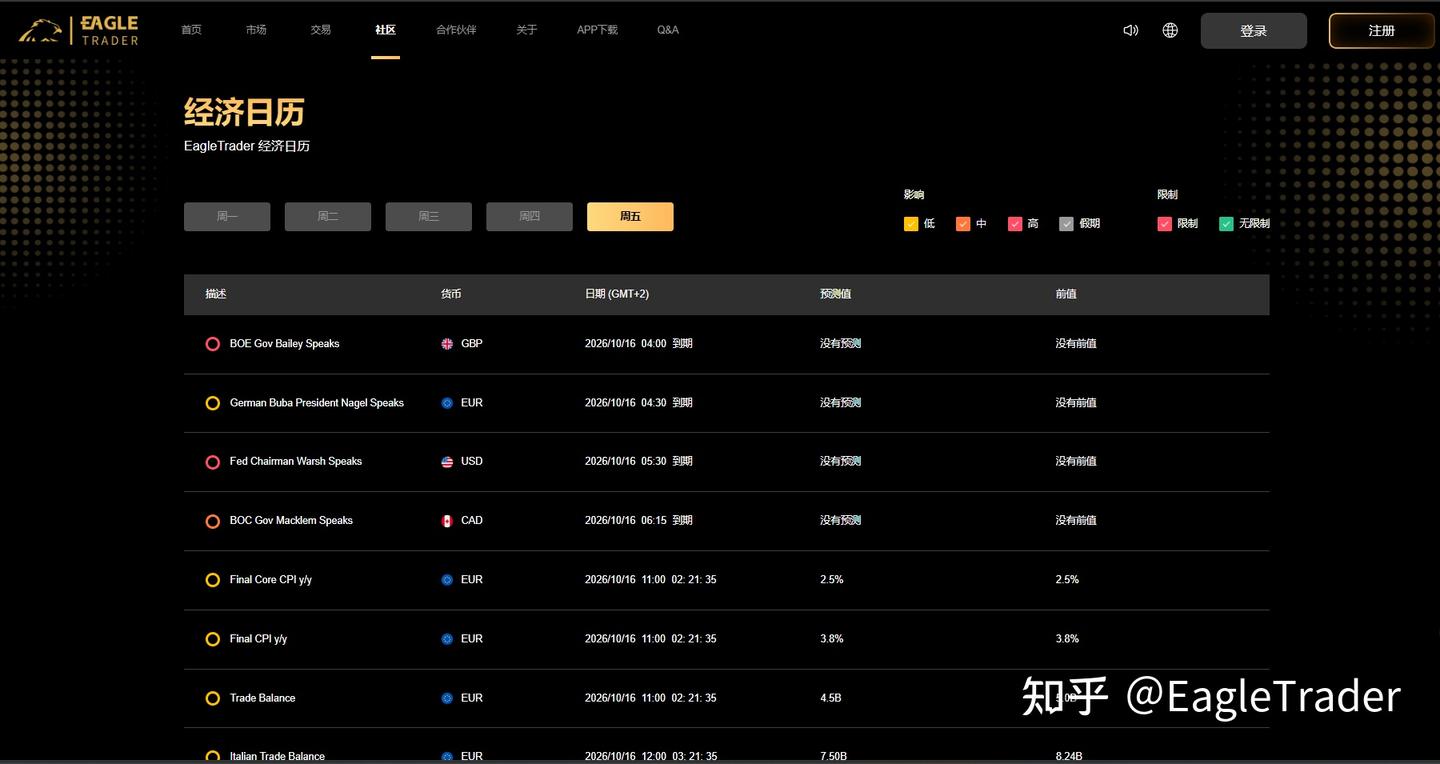
In the same way, the macro data of the day is also part of the trading plan.
Before and after the data is released, the market often loses control in an instant, and the technical positions that were originally effective will temporarily fail.
Before trading, scan the economic calendar and decide whether to wait and see, or to take advantage of the fire according to your strategy.
Complete these temporary decisions in advance, and you will be truly calm before the market.
Max doesn’t have many rounds of assessments, but he has to look at the risk boundary every day
Max allows traders to directly enter the profit sharing stage, but the profit sharing rules still require daily attention.
Max currently requires that the maximum account drawdown be controlled within 7%, and the maximum intraday drawdown be controlled within 3%. The relevant risk control lines will be dynamically calculated according to account rules.
Therefore, before starting a new day, in addition to watching the market, it is also worth taking a look at your own account.
How much room is there currently between the risk control line? How much risk are you prepared to use today? If there are consecutive adverse transactions, to what extent should you suspend it?
It is far more meaningful to clarify these issues in advance than to deal with them later after reaching the risk boundary.
The real value of the rules is not just to determine whether the account has violated regulations, but to allow traders to know which operations are beyond their tolerance before placing an order.
Really effective trading preparations are actually very common and trivial things: consolidating the status in advance, reviewing past operations, writing the worst scenario in advance, and guarding the risk boundary of the account.
If at the end of the trading day, you do not blindly pursue orders because of jealous market conditions, do not temporarily tear up the plan due to continuous losses, or even make the day look a bit "boring" - believe me, for trading, there is no unexpected dullness, which in itself is a very high-level self-discipline.
It’s less about improvising before entering the market and more about planning in advance when executing.This is the daily life of a mature trader.
Contact
|
Leave a message online
|
Service hotline
852-53489575
 |

Incubate the world's top traders
Participate in 90% profit sharing