

Almost every trader on the trading road has experienced those darkest moments: always hesitating to stop losses, unable to hold on to profits, and mentality collapses along with the ups and downs of the account curve... When encountering problems, many people are used to closing the door and thinking hard by themselves, trying to find answers in charts.
But in fact, trading is a lonely practice that does not have to be done alone.Instead of spending a lot of time and money to pay tuition and take detours, it is better to stand on the "shoulders of giants".
In previous in-depth interviews, EagleTrader had in-depth discussions with a number of profit-sharing traders with different trading experiences.
Today, we have selected a few of the most common trading problems that everyone encounters, and shared with you the coping methods that these traders have summarized from actual combat and trial and error. We hope to provide some reference for you who are improving your trading system.

How to avoid losing more and more after continuous retracements?
One of the most common mistakes to make when your account experiences continuous losses is to rush to make back the losses through the next transaction.
But as positions become heavier, risks may get out of hand.
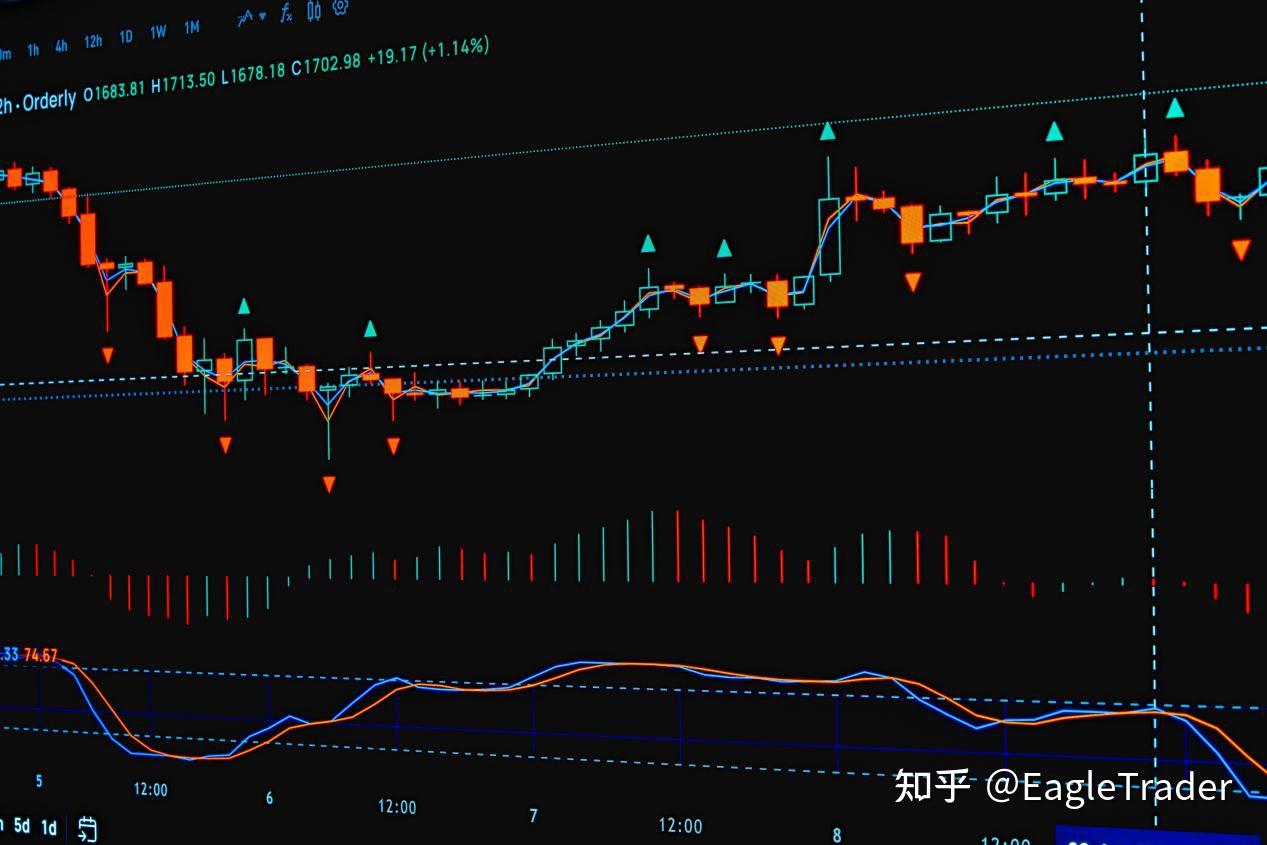
Wen Rongjin: Dynamically adjust positions
During the trading process of the EagleTrader profit-sharing account, Wen Rongjin experienced a drawdown period of more than a month, with the maximum drawdown reaching 8.53%, which was once close to the 10% maximum drawdown limit of the account at that time.
Faced with the shrinkage of his account, he did not rush to add positions to recover losses. Instead, he used to divide the account funds into 20 parts for management.
When funds decrease, he will reduce the trading position and stop loss amount accordingly to avoid continuing to bear risks at the original scale.
But he doesn't reduce his position every time he pulls back.
In a subsequent retracement of nearly 5%, he chose to maintain the original position because he judged that the account still had enough room for risk control.
For him, the key to whether to reduce his position lies in the risk tolerance of the account and the trading strategy, rather than simply looking at the magnitude of the loss.
Zhou Ziying: decisively reduce the position by half
Compared with Wen Rongjin who adjusts the transaction size based on account status, rookie trader Zhou Ziying puts more emphasis on timely control of positions in the face of unexpected risks.
For the sudden large loss after taking a heavy position, her response plan is: first halve the position, set the maximum tolerable stop loss for the remaining position, and decide the exit time based on the subsequent trend.
Regardless of the final result of closing the position, she plans to stop trading that day and conduct a review to avoid the recurrence of the heavy position problem.
Although the two people's handling methods are different, the core is to control the subsequent risks first, rather than rushing to make up for the losses through the next transaction.
If your judgment is wrong, why are you still unwilling to stop the loss?
"If you wait a little longer, maybe the market will come back." Wu Jie, the profit sharer of EagleTrader Max, has experienced this thought repeatedly.
Even if you know you should stop the loss, you are still reluctant to close the position when you actually face the loss.
Wu Jie: Accept normal losses
Wu Jie was exposed to trading while in college.
At that time, I didn’t understand position management, so I often entered large positions based on my feelings. I would even invest more than 1,000 yuan from my monthly living expenses of 1,500 yuan into trading.
Although I occasionally made good profits, I eventually experienced repeated liquidations.
He is not ignorant of the risks of taking orders, and has made up his mind many times not to make mistakes again.
But when a loss actually occurred, I still couldn't help but look forward to a market reversal. It wasn't until similar mistakes kept repeating that I began to seriously reflect on my trading behavior.

After graduating and working, he gradually paid attention to position management and stop-loss execution, and gradually accepted the principle of "profit and loss come from the same source": the same strategy may make profits, but it will also experience losses, and the strategy cannot be considered invalid just because of a few bad transactions.
Zhou Ziying: Set fixed rules
Zhou Ziying tried to reduce the interference of emotions in decision-making through standardized transactions.She emphasizes fixed entry and exit logic, evaluates transactions with reference to the expected profit and loss ratio of 2:1 or 3:1, and requires herself to execute stop loss unconditionally.
For her, who is improving her trading system, stop loss should not be a decision that she starts to struggle with after the market goes bad, but should become part of the trading rules.
Wu Jie's experience allows people to see that accepting losses is not something that can be done by just "thinking about it".
Zhou Ziying's approach provides another idea: clarify the exit conditions in advance as much as possible to reduce temporary judgment when losses occur.
The direction is right, why can’t we still make profits?
It is difficult to stop losses and equally difficult to hold profits.
Sometimes as soon as the market makes a little profit, they are worried about the price falling and are eager to close their positions; sometimes they are reluctant to leave the market because they are unwilling to take profits.
Wen Rongjin: Distinguish the nature of orders
In Wen Rongjin’s view, difficulties in holding positions are often related to the lack of clear order nature.
If you are doing trend trading and the goal is to strive for a larger level of market conditions, you have to accept the profit retracement during the position holding process, and may even trigger a stop loss eventually; but if you are doing ultra-short-term trading at the 1-minute or 5-minute level, exiting the market in a timely manner after reaching expectations may be more in line with the original strategy.
He specifically mentioned that it is easy for traders to regard floating profits on their accounts as money already earned, but as long as the position is not closed, profits will still change with the market.
Therefore, you should clarify your trading objectives and exit conditions before taking a position, instead of being led by every price fluctuation.
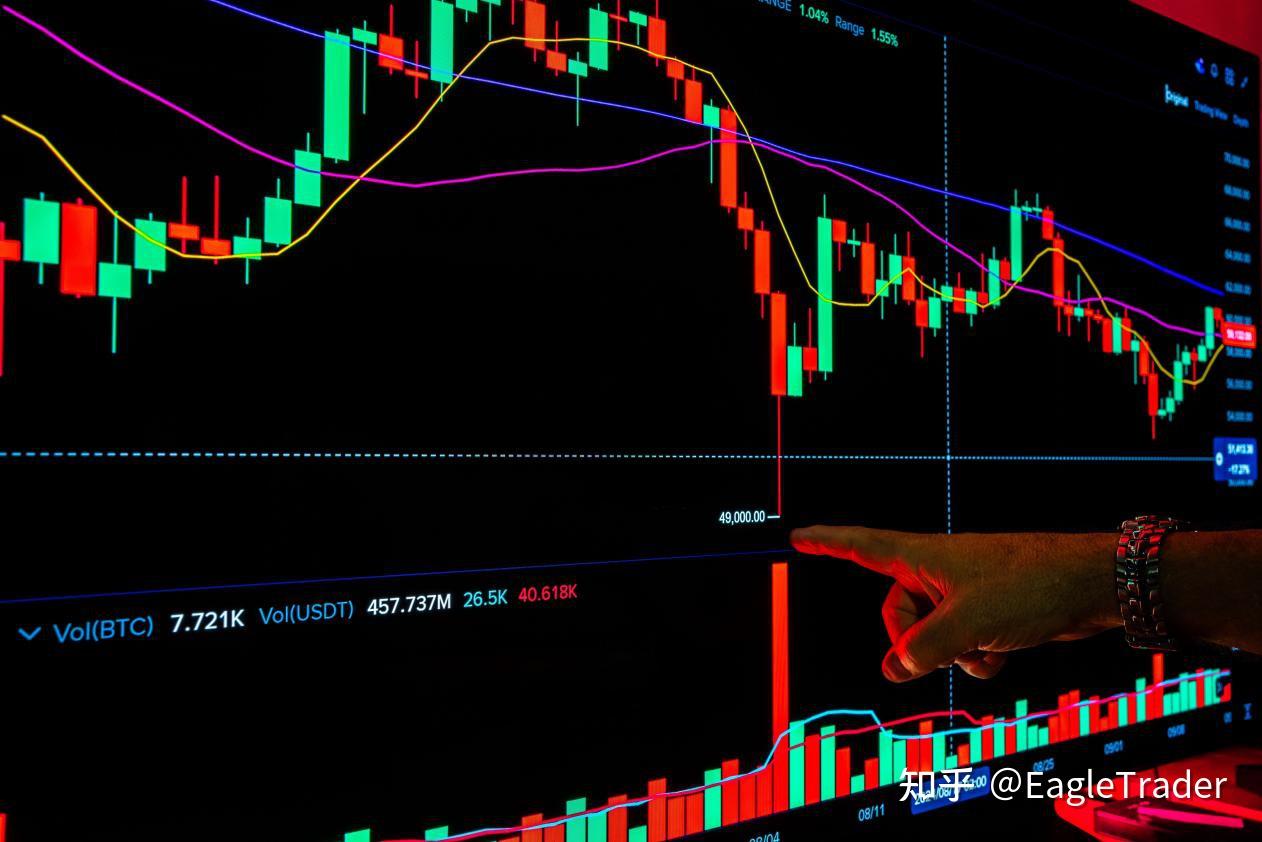
Wu Jie: Trailing stop loss and profit taking in batches
Wu Jie shared two specific methods.
One is trailing stop loss.When the market develops in a favorable direction and breaks through key resistance, he will gradually move the stop loss position upward to try to protect profits while retaining the opportunity to continue to hold positions.The other is to take profits in batches.
If he judges that there is still a lot of room in the market, he will consider closing half of the position first, then adjust the stop loss of the remaining position to near the cost, and continue to observe the subsequent trend.
These methods are suitable for different market forms. The key is not which method is better, but whether it is consistent with the original trading strategy.
I always have the urge to place an order, how do I get rid of the urge?
There is no opportunity that fits the strategy, but you can't help but want to enter the market; especially in the face of violent market fluctuations, it is easier to have the anxiety of missing the opportunity.
Wu Jie: Uninstall MT5 and calm down for three days

In order to restrain impulsive trading, Wu Jie set a special rule for himself: once he violates trading discipline, he will uninstall MT5 directly and suspend trading for three days.
Reflect on mistakes on the first day, make improvement plans on the second day, and think about how to adjust positions, trading frequency and emotion management in the future on the third day.
In his view, rules do not have to be complicated, the important thing is that they can be truly implemented.
He also tends to take the initiative to wait and see when it comes to major data trends that are prone to violent fluctuations, such as non-farm payrolls, and avoid participating in market changes that are difficult for him to grasp.
Zhou Ziying: Avoid major events
Zhou Ziying will also take the initiative to avoid high-risk periods.
One of the rules she has set for herself is not to place orders half an hour before or after a major event.
After experiencing many failed simulation exams, she also began to readjust her strategy and planned to reduce the frequency of transactions to avoid rash advances.
For them, controlling trading impulses is not just about reminding themselves to stay calm, but about reducing unnecessary operations through clear rules.
Pullbacks, carrying orders, being unable to hold profits, and being unable to control your hands—these "pits" on the trading road are inevitable for every trader.
Fortunately, Wen Rongjin, Wu Jie and Zhou Ziying used their real experiences to prove that these problems have solutions.
Whether it is dynamic position adjustment, setting a fixed profit-loss ratio, or moving stop loss and forced calmness, these practical tricks verified by profit-sharing traders can not only help you avoid a few pitfalls, but also become a ready reference for you to polish your trading system.
When you encounter a bottleneck in your next transaction, you might as well check out these tips: At which point did you lose the rules?
Contact
|
Leave a message online
|
Service hotline
852-53489575
 |

Incubate the world's top traders
Participate in 90% profit sharing