

In the EagleTrader proprietary trading exam, traders with various trading strategies are actively signing up: some prefer long-term operations, some are good at swing trading, and some focus on intraday operations.
The trader I want to share today adopts a short-term high-frequency strategy—this strategy has particularly strict requirements for risk control. With 13 years of trading experience, he has experienced many liquidations and has grown through continuous summary and optimization.
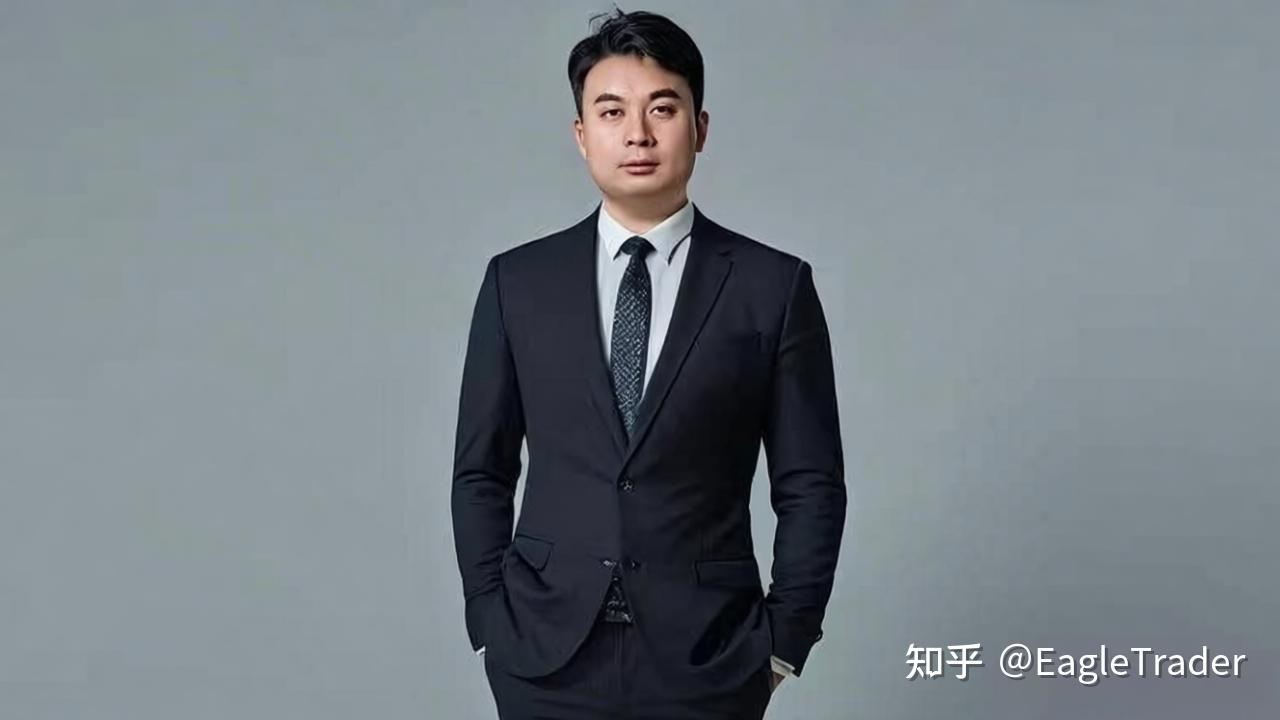
So, in high-frequency short-term trading, how does he control risks and quickly get his account back on track after a drawdown? ET takes you into Hua Youlin's trading world.
Risk management under short-term and high-frequency conditions
The core of short-term and high-frequency strategies lies in the precise control of risks. Hua Youlin emphasized the importance of stop loss: "During the last plunge, I used a more rigorous stop loss strategy, which will be further optimized in the future to reduce transaction risks."
In terms of position management, he is both flexible and principled: after making a profit, he will first set a capital-guaranteed stop loss, and at the same time set a trailing stop loss at support levels at different stages of the price to prevent a sharp retracement of profits. Once the retracement exceeds expectations, he will decisively stop losses and resolutely implement risk control.
In intraday operations, Hua Youlin increased the winning rate to about 80% through high-frequency small profits and multiple operations to reduce the impact of luck. He explained:"Through small profits and multiple operations, long-term training can control the winning rate and risk."
Even if he encounters a large position loss, he will first observe the technical form: if it deviates from the logic of exiting the position, he will decisively stop the loss; if the pattern is still valid, he will continue to wait and see, but he will never blindly add to the position. This combination of discipline and strategy makes his short-term and high-frequency operations more efficient.
How to make the strategy run steadily
Hua Youlin’s trading strategy relies on technical analysis (60%), experience and a small amount of fundamental information. He pointed out that fundamental data lags behind and cannot be used as the focus of forward judgment, while technical analysis is more pure and reliable.
Although he does not make a rigid point plan every time, every transaction has clear profit and loss targets. When the target is reached, he will strictly stop profit or loss and stop trading. He said: "The consistency of trading means that the indicators, judgments and strategies are consistent. If there is a deviation, I will decisively stop the loss and stop trading."
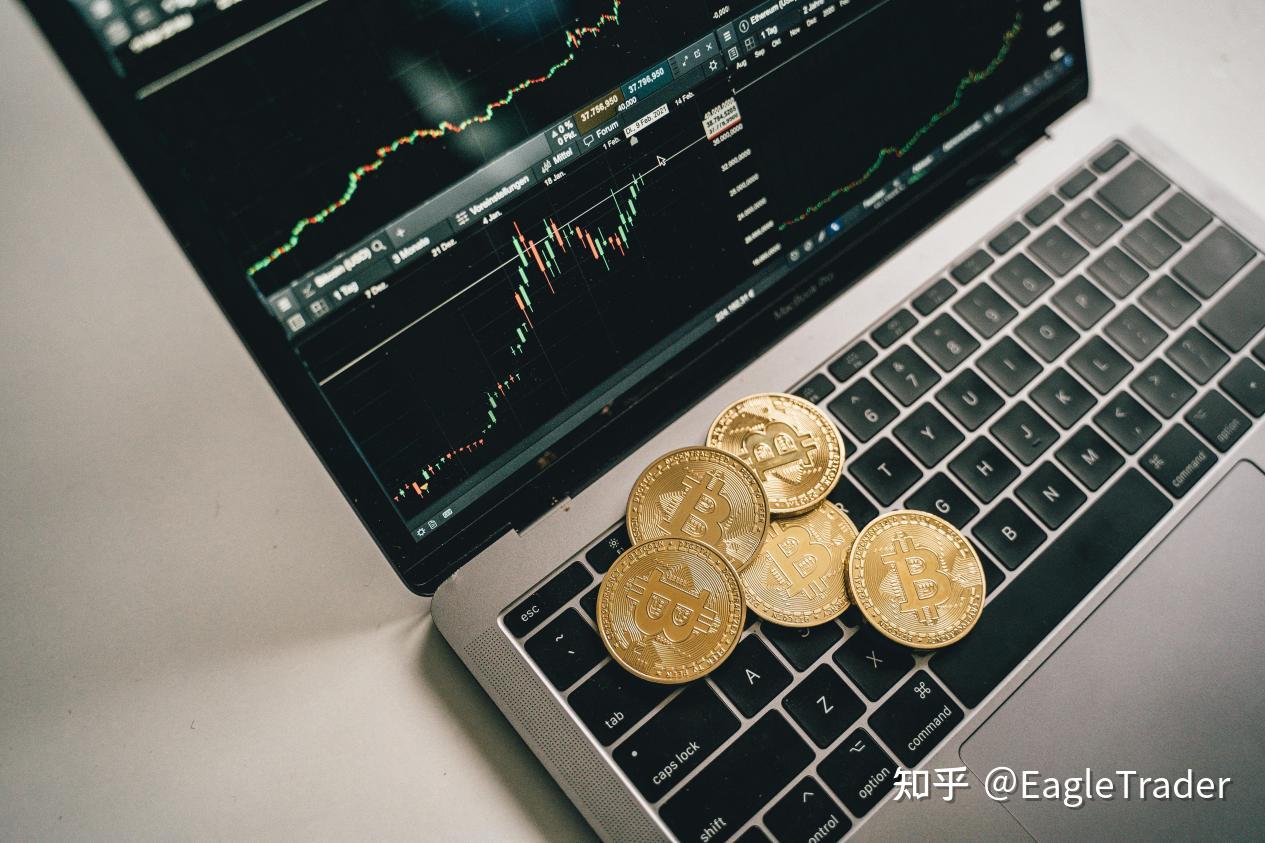
In addition, he prefers markets with moderate volatility and controllable risks, and believes that excessively high or too low fluctuations have greater risks. The short-term high-frequency strategy combines market rhythm, discipline execution and muscle memory, allowing him to usually recover his net worth within a day after an intraday retracement.
Examination gains and novice advice
By passing the ET proprietary trading exam, Hua Youlin gained a lot in terms of risk control and trading discipline. He concluded: "The exam made me more rigorous in risk control and further strengthened my trading habits, such as taking a break when reaching the profit target to avoid fatigue operations."
For newly registered traders, his advice is simple and practical: "Control risks, don't think about making huge profits, make a little bit every day, and long-term accumulation will definitely lead to good returns." This is not only an application of short-term high-frequency strategies, but also a summary of his many years of trading experience.
In Hua Youlin's view, the real trading master is not someone who has never experienced a loss, but someone who can remain calm in the face of losses and retracements, sum up experience, and quickly get back on track. The charm of short-term high-frequency trading is exactly this: it not only tests technology, but also tempers mentality. By insisting on small profits, controlling risks, and maintaining discipline, your trading account will grow steadily and your confidence will accumulate accordingly. If you want to know more details about the proprietary trading examination, please follow me immediately!
Contact
|
Leave a message online
|
Service hotline
852-53489575
 |

Incubate the world's top traders
Participate in 90% profit sharing