

Many people think that proprietary trading is an exclusive track for experts, but in fact, it can also have a huge effect on novice traders.
In proprietary trading, when transactions are disciplined and risks are clearly defined, it is easier for novice traders to establish stable execution habits instead of trial and error due to emotions and random operations. This value has also been confirmed by experienced traders.
Liu Ze, a profit-sharing trader with 13 years of trading experience, once said: "ET's rules are particularly suitable for the development of traders who want to become professional."
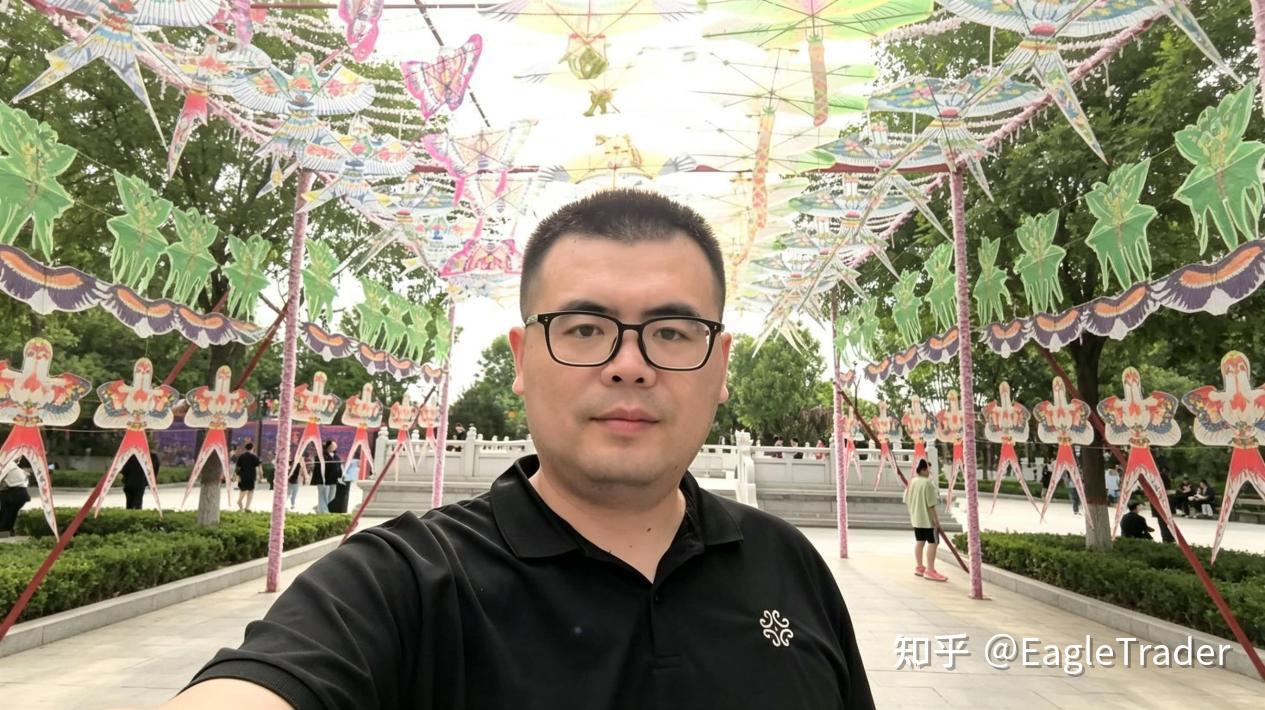
(profit-sharing trader Liu Ze)
For traders who have just entered the market, this is never a "master's arena", but a training environment. Here, transactions no longer rely on ad hoc judgment, but transition to standardized execution.
1|Always led by emotions?
The most typical problem of novice traders is not that they cannot understand the market, but that their execution ability is out of control: they take orders when they should stop losses, take heavy positions when they should take light positions, and trade frequently when they should take a break - they all understand the principles, but as soon as they enter the market, their emotions take over.
Under the constraints of proprietary trading rules, this problem will be "forced to be corrected": once a transaction touches the drawdown limit or illegal operations, it will directly affect the assessment results. Clear boundaries will force traders to actively control risks in every transaction. The emotional trading of novices will also be solved.
Huang Guojie, who passed the exam in just 4 days, mentioned: "I used to trade emotionally when I was doing stocks. After being exposed to ET, the exam mechanism allowed me to learn to control my own operations."
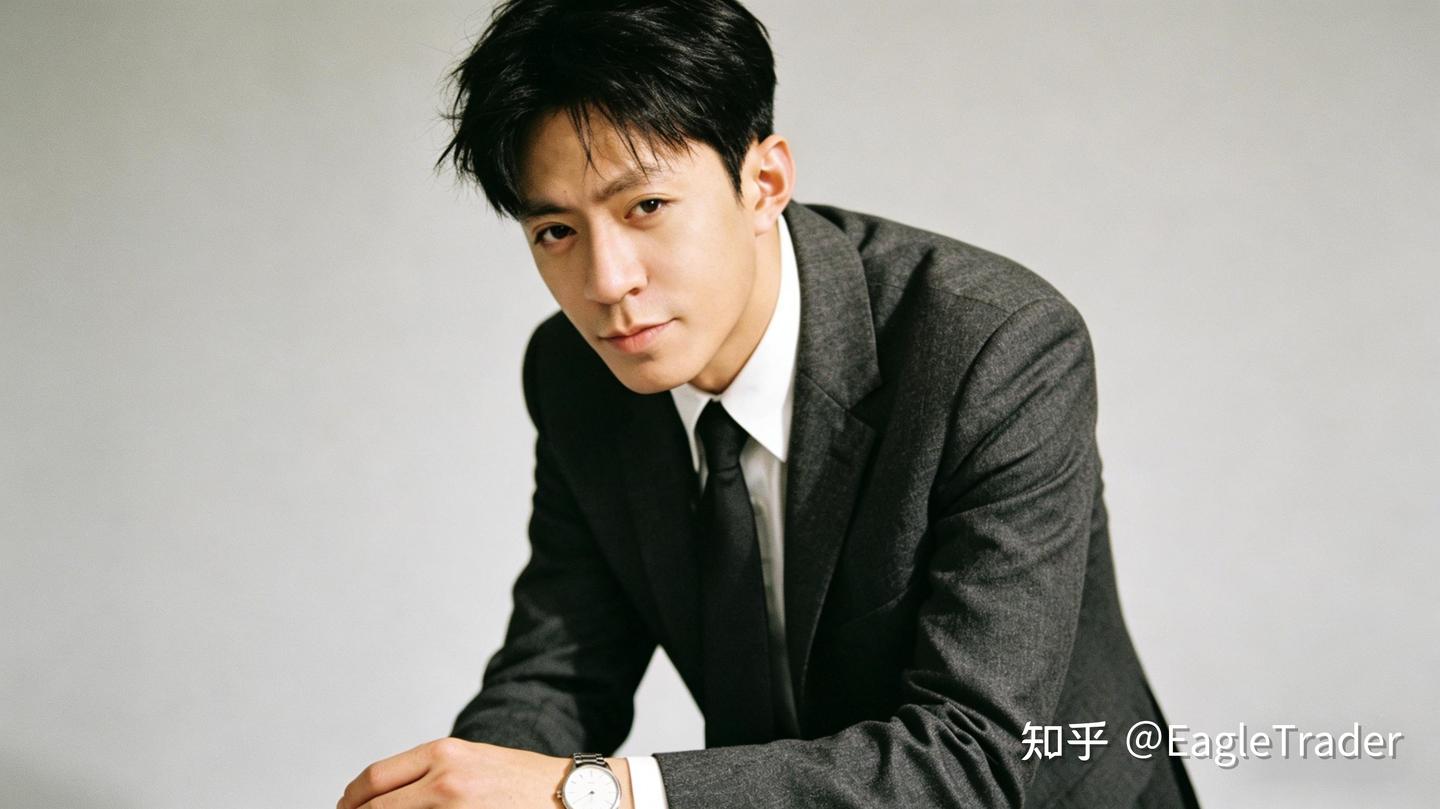
(Profit-sharing trader Huang Guojie)
2|Unable to establish a stable trading system?
Many novices have encountered similar dilemmas: I have taken countless trading courses and memorized various technical knowledge such as moving averages, MACD, support levels, trend judgments, etc. However, I continue to lose money as soon as the real market comes. With more and more knowledge, my trading becomes more and more confusing. The fundamental reason for this phenomenon is that transactions remain at scattered "knowledge points" and lack systematization.
The value of proprietary trading is to help novices break down trading into a complete process: from position opening logic, risk control, to review and optimization, so that each step has a clear basis, rather than relying on temporary judgment.
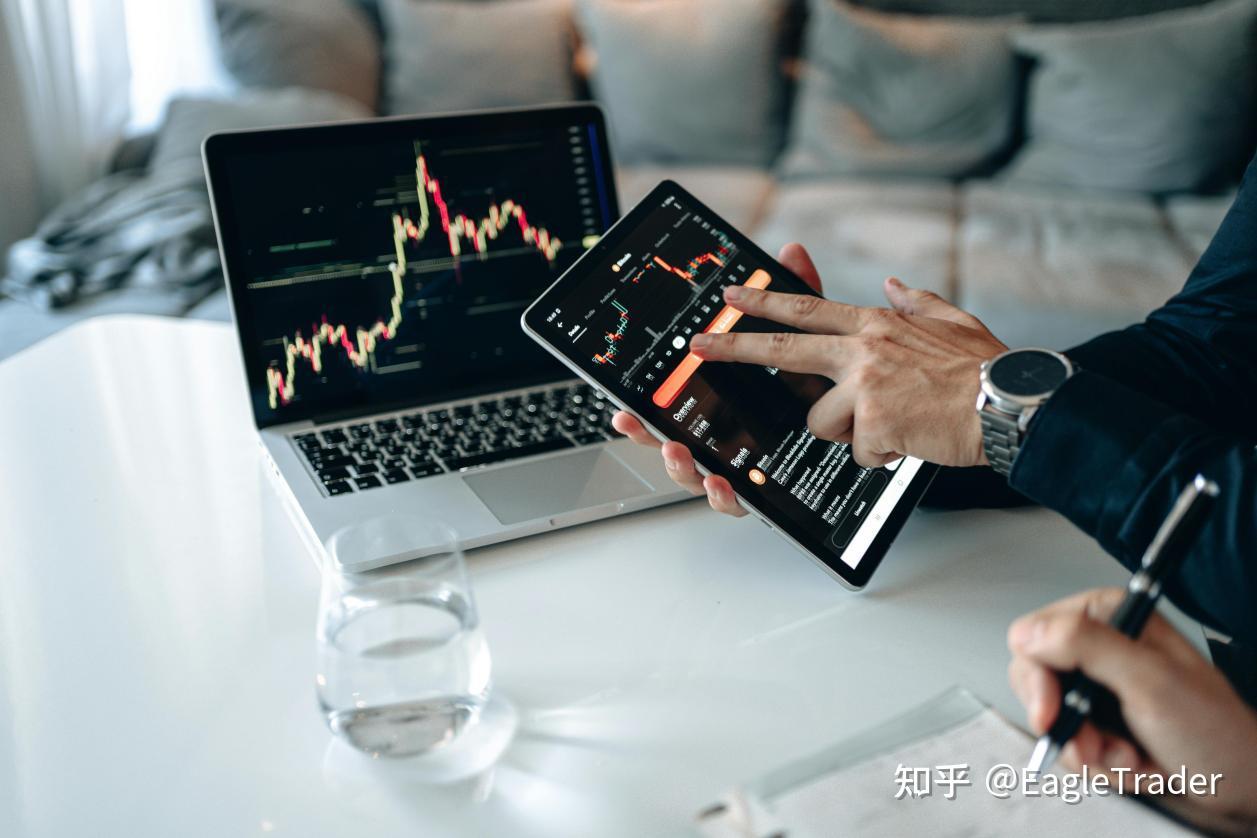
When trading is clearly divided into three steps: "planning - execution - review", novices can truly move from "trading by feeling" to "systematic execution".
3|Are you always afraid of losing money in trading?
The biggest obstacle for novices in trading is not that they don’t know how to do it, but that they dare not do it – they want to participate in real trading, but they can’t bear the pressure of losing money.
Trader Liu Ze once experienced such high-cost trial and error: "In 2017, I liquidated my position with 20,000 US dollars, and I once doubted whether I was suitable for trading." This is also a portrayal of many novices: one capital loss may directly end their trading career.
Proprietary trading just solves this pain point: the exam uses a 1:1 replica of the real offer environment, and the market conditions, transaction logic, slippage, and position management are consistent with the real offer. You still face real market fluctuations, but you don’t need to bear capital losses.
Huang Guojie said: "In ET, I don't trade with real money, and I can still get profit sharing." In other words, in ET, you don't have to worry about the risk of loss, and you can also get rewards based on your strength.
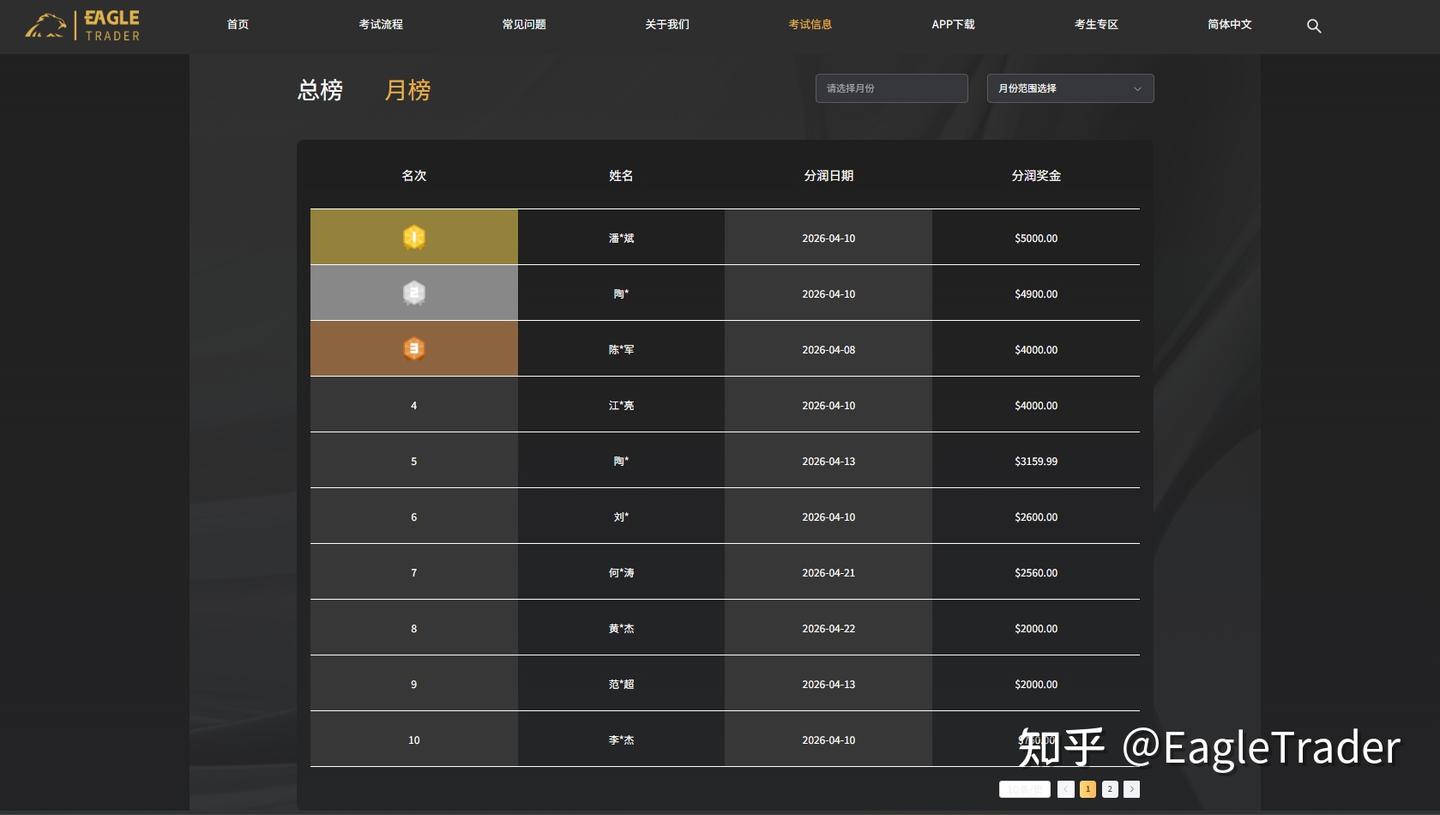
The significance of this mechanism not only reduces the cost of trial and error, but also liberates traders from the emotional constraints of "fear of losses and dare not do anything". In a self-operated environment with controllable risks, trial and error is no longer a fatal blow, but a steady improvement in trading ability.necessary process.
4|Newbies want to trade professionally?
People who truly love trading never lack efforts, but only paths. Even if you have certain trading capabilities, if you lack funds and platforms, it will be difficult to convert transactions into sustained profits, and it will be difficult to move towards professional trading.
Proprietary trading provides a professional path with a clear structure: rules are used to constrain execution, assessments are used to test abilities, and then advanced mechanisms are used to enlarge the scale of funds, giving traders more possibilities.
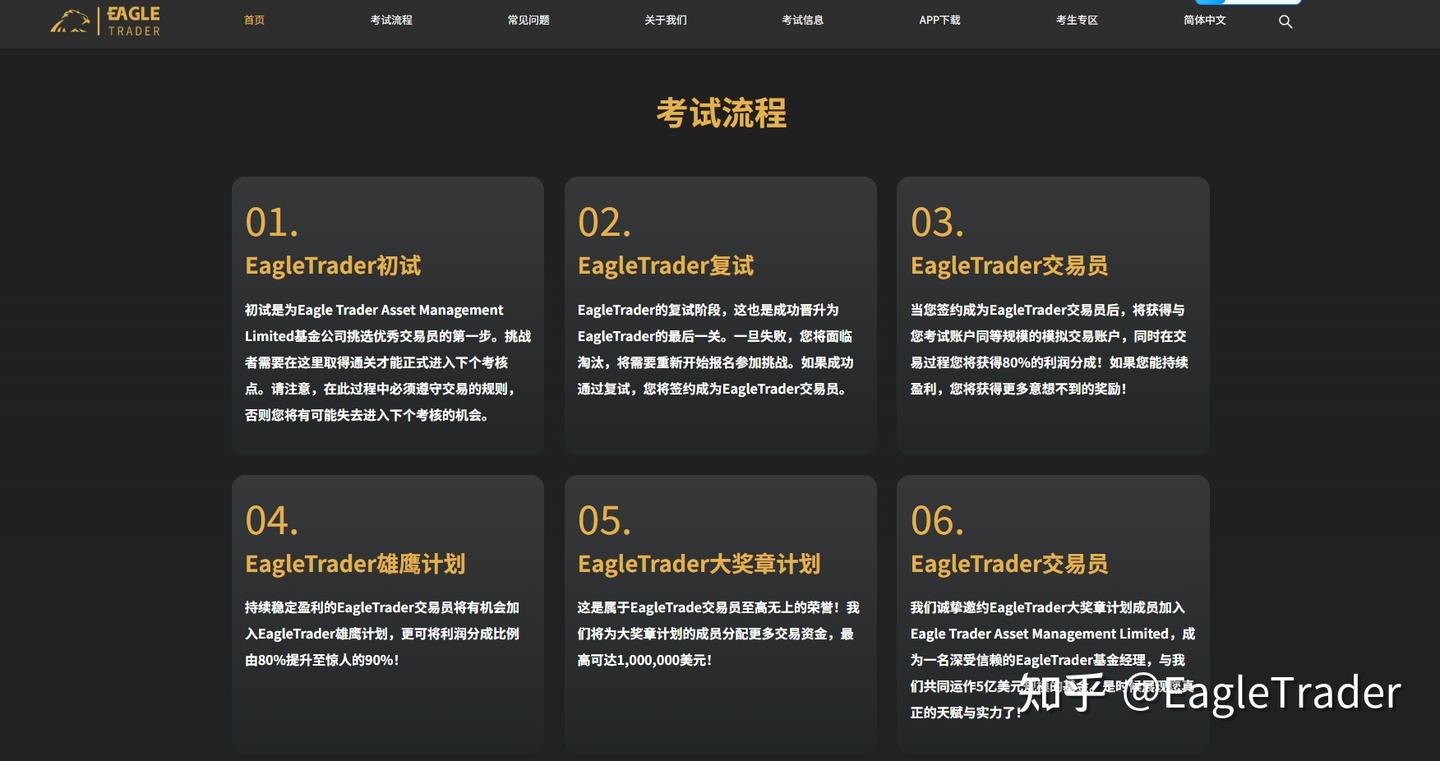
More importantly, this environment will change the trading mentality - from "responsible for one's own account" to "responsible for the results", and force traders to perform standardized operations. As Liu Ze said: "Using self-operated funds to trade will make you more responsible."
Trading does not have to be explored alone, nor does it need to use funds to make mistakes. Whether you are a beginner who is new to real trading, or a trader who wants to change bad habits and pursue professionalism, EagleTrader allows you to continue to grow in a safe and controllable environment.
Every operation is an opportunity to improve your abilities. Focus on polishing technology, building systems, and developing discipline, and your professional trading path is right in front of you!
Contact
|
Leave a message online
|
Service hotline
852-53489575
 |

Incubate the world's top traders
Participate in 90% profit sharing